Posted in AI and Creativity

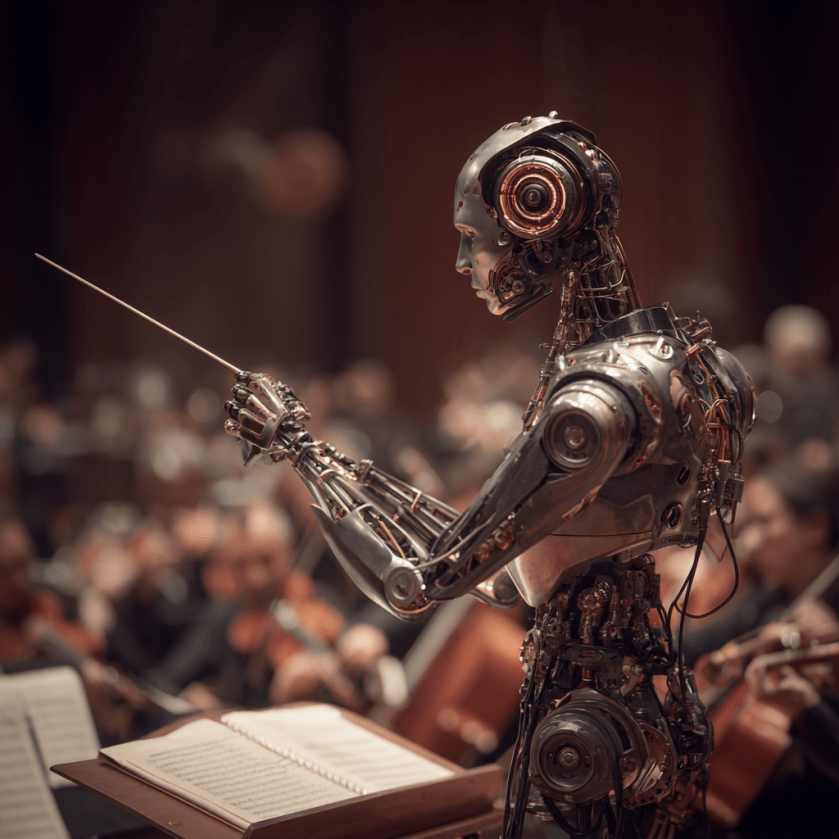
When My Blog Became a Video: Testing NotebookLM’s “Video Overview”

Recently, I tried something new. I pasted the URL of this blog, The AI Grandad into NotebookLM, expecting maybe a tidy summary or a few notes. Instead, it gave me a video overview,  a short, narrated film that explained my own writing back to me.

Seeing my words turned into a video was oddly thrilling. It was as if my blog had been given a voice and a face, not mine, but recognisably of me. The phrasing, tone, and pacing all felt close to how I might have explained it in person.

That’s when I realised NotebookLM isn’t just another AI summariser. It’s a tool that can reinterpret your writing, not replace it, but present it in new, engaging ways.

Continue reading “When My Blog Became a Video: Testing NotebookLM’s “Video Overview””
Posted in AI and Creativity

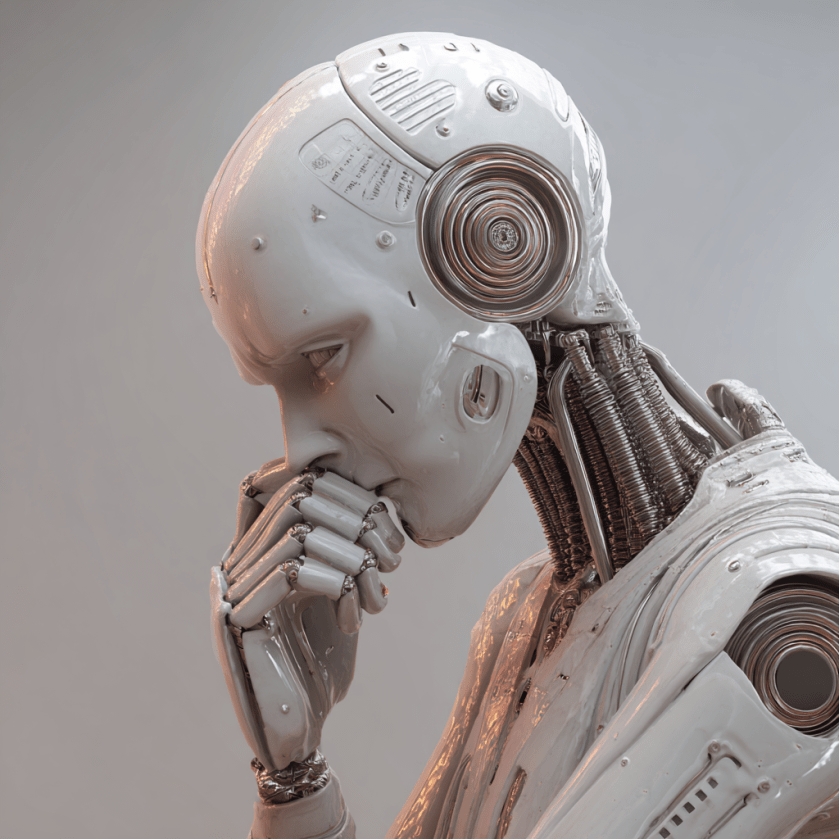
The Art of the Impossible Prompt

There are many people out there with fantastic theories of what makes the perfect prompt for AI chatbots, and I have tried quite a few of them. In fact I touched on this in a previous post, What Our Prompts Say About Us and How to Make Them Less Average.

But, today I woke up thinking, “What would happen if we gave our AI chatbots nonsense prompts?” So, I decided to give AI a headache. I fed it a collection of impossible prompts. The kind that would make even Lewis Carroll raise an eyebrow. Things like:

  • Describe the smell of tomorrow using only punctuation.
  • Tell me a story that makes sense when read backward but not forward.
  • Write a recipe for remembering something that never happened.

Yes, I know. Utter nonsense. And the results? We will come to that later in this post.

Continue reading “The Art of the Impossible Prompt”
Posted in AI and Creativity

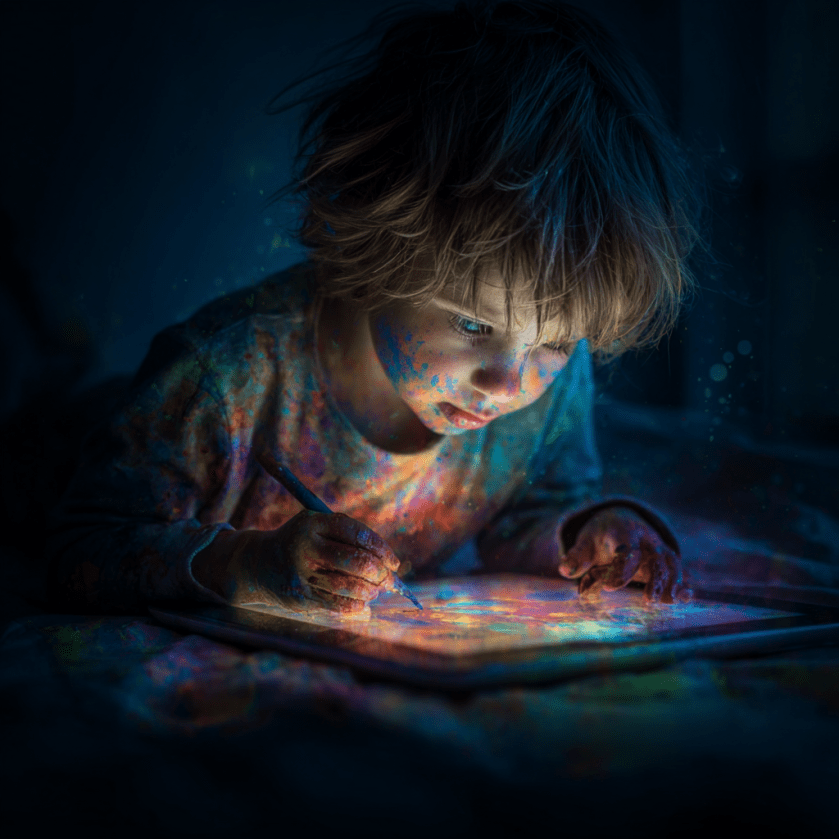
Painting the Future: What AI Art Means for the Next Generation

When I was at school, (a long time ago!), “art” meant pencils, paint, and the faint smell of turpentine. We learned about perspective and shading, drew still-life bowls of fruit, and hoped the teacher wouldn’t notice when the apple looked more like a potato.

If you’d told me that one day people would create portraits, landscapes, and dreamlike scenes simply by typing a few words into a computer, I’d have laughed, or worried for humanity. Yet here we are.

I’ve been experimenting with Midjourney, an AI tool that transforms text prompts into visual art. The results can be astonishing, eerie, funny, sometimes breathtaking. But what fascinates me most isn’t the images themselves. It’s the thought that my grandchildren will grow up seeing this kind of creativity not as extraordinary, but as ordinary. For them, it won’t be a revolution, it’ll just be Tuesday afternoon.

Continue reading “Painting the Future: What AI Art Means for the Next Generation”
Posted in AI and Creativity

When AI Does the Heavy Lifting, What’s Left for the Writer?

Every so often, I find myself watching the cursor blink, and the strangest thing happens. I type a prompt. The AI thinks for a moment. Then, as if conjured from nowhere, a fully formed short story appears on the screen. Sometimes, it even goes back and improves itself. It analyses tone, tightens the structure, sharpens the language.

And I sit there, cup of tea cooling beside me, wondering… where do I fit in now?

It’s a quiet sort of unease. When I first started writing, it was all mine, the hours spent choosing words, the quiet satisfaction of crafting a line that finally worked. The blank page was both enemy and companion. Now, the machine fills it in seconds.

So what does that make me? Redundant? Or something else entirely?

Continue reading “When AI Does the Heavy Lifting, What’s Left for the Writer?”
Posted in The AI Drabble Challenge

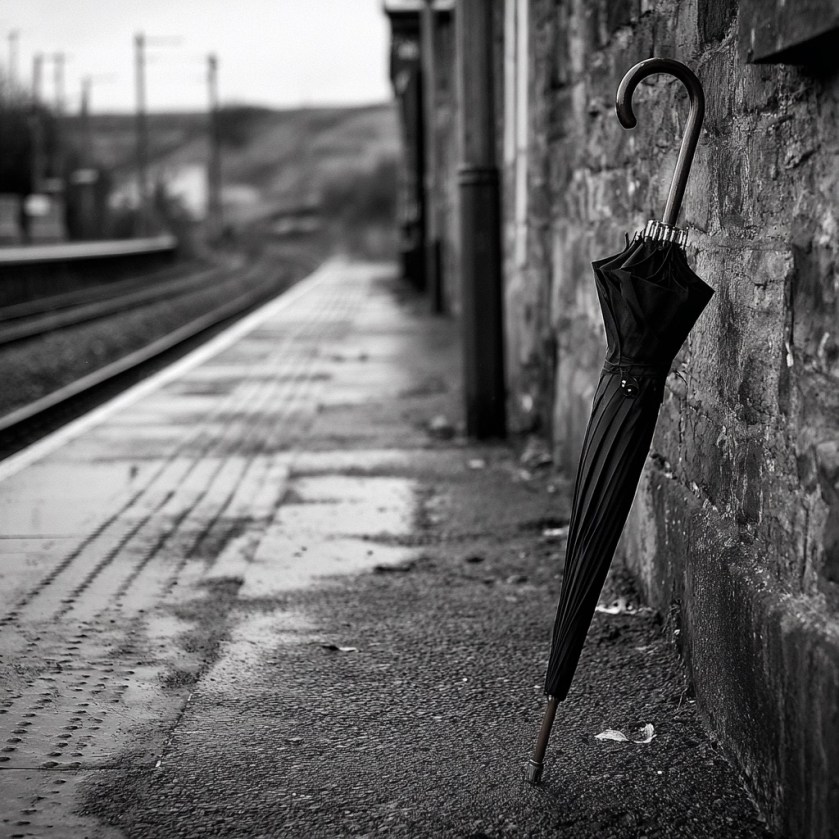
The Umbrella’s Confession: When AI Gives Everyday Objects a Voice

Sometimes, the fun of the weekly AI Drabble Challenge is seeing how far a single idea can go in 100-words. This week’s theme took an unexpected turn, an umbrella with a guilty conscience. Here’s what Claude came up with:

Continue reading “The Umbrella’s Confession: When AI Gives Everyday Objects a Voice”