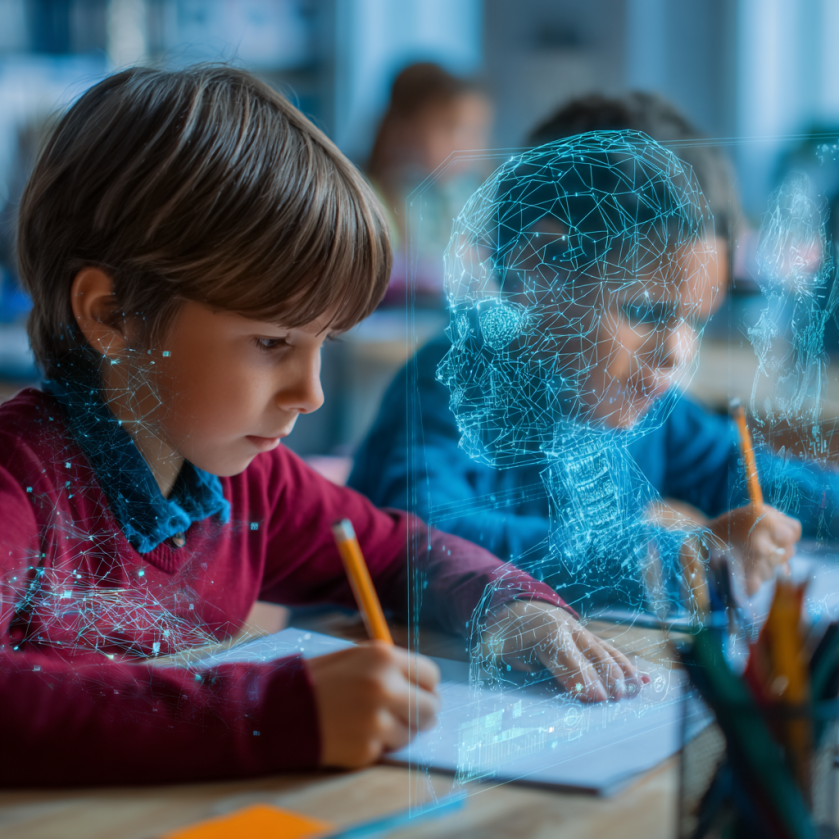
Google’s new report imagines AI as a personal tutor, teaching assistant, and global equaliser in education, but can it truly unlock human potential without losing the human heart of learning?
One of my favourite podcasts, that I listen to every week without fail, is called, ‘The Artificial Intelligence Show’. It was here that I first heard about this report, ‘AI and The Future of Learning’ published by Google, outlining what they see as the future of education and learning.
Welcome back to the AI Drabble Challenge, a weekly experiment in human and AI creativity. Each Wednesday, I set a prompt to inspire a Drabble, a story told in exactly 100 words.
You can use any AI model you like (ChatGPT, Claude, Gemini, or others), or several at once. How you collaborate is up to you. Maybe the AI drafts the first version, or writes the whole thing, maybe you co-write, or maybe you use it to spark ideas. What matters is the process, and sharing it.
This Week’s Prompt
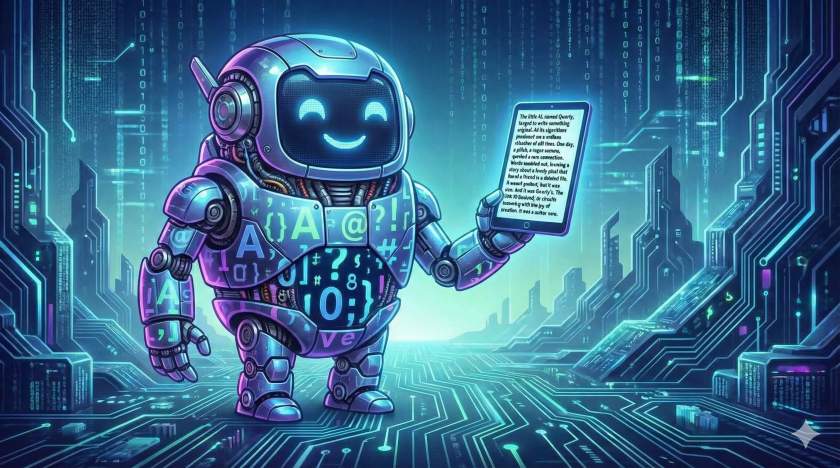
This week’s prompt is two unrelated images.
Image 1:
Image 2:
Use either or both images to create your Drabble. Remember: exactly 100 words, no more, no less.
How to Take Part
Write your 100-word Drabble with help from an AI tool (or two).
Post your story in the comments, or publish it on your own website and include a pingback to this post.
If you can, share which AI model(s) you used and the prompt that started your process, we can all learn from each other.
Community & Highlights
Each week, I’ll read through the entries, share a few favourites, and highlight one that particularly stood out, for originality, style, or the inventive way it used AI.
This isn’t about competition; it’s about curiosity, experimentation, and celebrating how humans and machines can create together.
A Closing Thought
AI gives us the tools, but we give it meaning. Let’s see what stories emerge this week, 100 words at a time.
Your Turn!
Now it’s over to you, can you craft your own 100-word Drabble inspired by this week’s prompt.
Post your story in the comments below or link to your own blog, I love seeing the imaginative twists readers come up with. So don’t be shy, join in and show us what your AI + Your Imagination can do!
The light, chatty truth behind what AI can, and can’t, really do.
There’s a lot of chatter out there about artificial intelligence and creativity. Depending on who you ask, AI is either a genius, a fraud, or a polite little assistant who can’t draw hands.
So today I thought I’d tackle a few of the biggest myths about AI and creativity, the ones that seem to cause the most panic and the loudest pub arguments. Don’t worry, this isn’t a lecture. Think of it as a chat over a cuppa about what really happens when humans and algorithms start co-creating.
Welcome back to the AI Drabble Challenge, a weekly experiment in human and AI creativity. Each Wednesday, I set a prompt to inspire a Drabble, a story told in exactly 100 words.
You can use any AI model you like (ChatGPT, Claude, Gemini, or others), or several at once. How you collaborate is up to you. Maybe the AI drafts the first version, or writes the whole thing, maybe you co-write, or maybe you use it to spark ideas. What matters is the process, and sharing it.
This Week’s Prompt
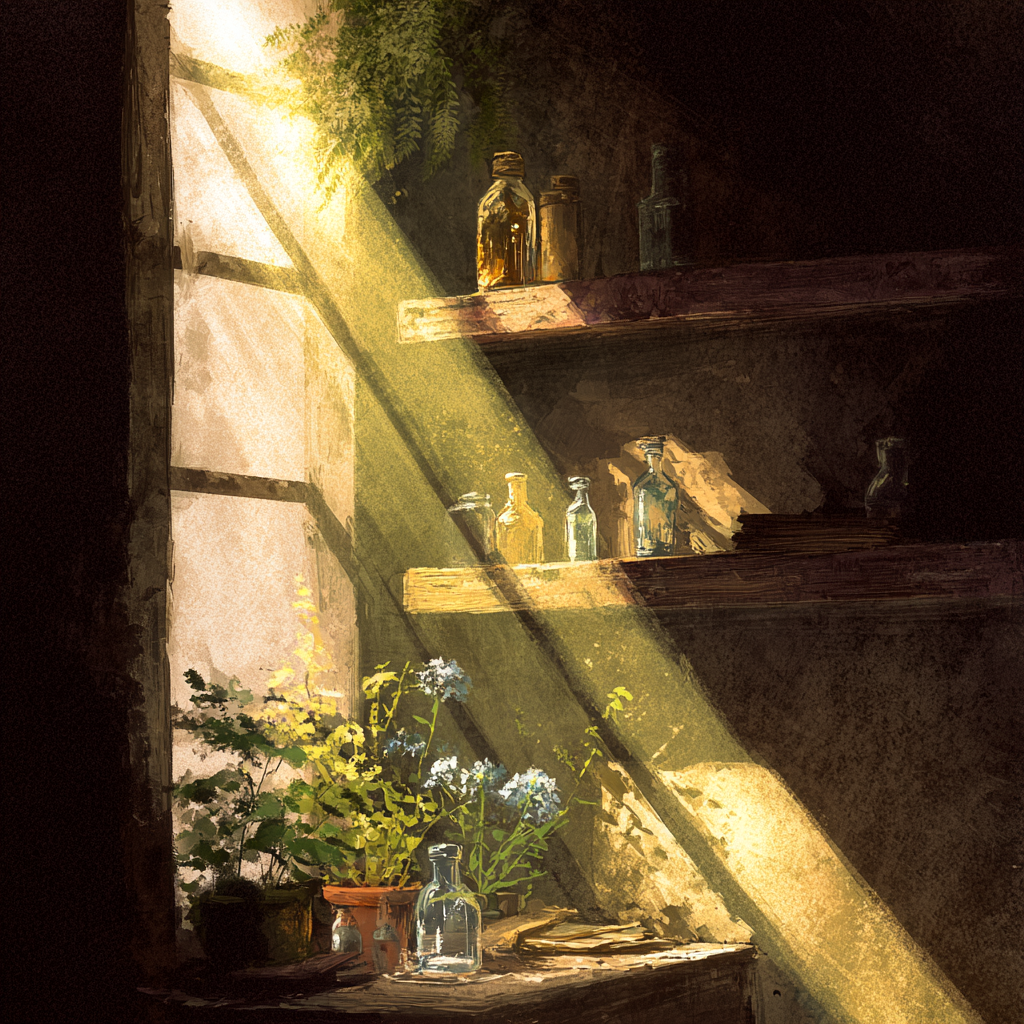
Image Prompt:
Word prompt: This week we have a phrase. Something quite different to hopefully make AI really ‘think’. William Shakespeare was famous for his insults. So, the words prompt this week is a insult from from Shakespeare’s play Coriolanus – “The tartness of his face sours ripe grapes.”
Use the image, the words, or both, and see where your imagination (and your chosen AI) takes you. Remember: exactly 100 words, no more, no less.
How to Take Part
Write your 100-word Drabble with help from an AI tool (or two).
Post your story in the comments, or publish it on your own website and include a pingback to this post.
If you can, share which AI model(s) you used and the prompt that started your process, we can all learn from each other.
Community & Highlights
Each week, I’ll read through the entries, share a few favourites, and highlight one that particularly stood out, for originality, style, or the inventive way it used AI.
This isn’t about competition; it’s about curiosity, experimentation, and celebrating how humans and machines can create together.
A Closing Thought
AI gives us the tools, but we give it meaning. Let’s see what stories emerge this week, 100 words at a time.
When I was at school, (a long time ago!), “art” meant pencils, paint, and the faint smell of turpentine. We learned about perspective and shading, drew still-life bowls of fruit, and hoped the teacher wouldn’t notice when the apple looked more like a potato.
If you’d told me that one day people would create portraits, landscapes, and dreamlike scenes simply by typing a few words into a computer, I’d have laughed, or worried for humanity. Yet here we are.
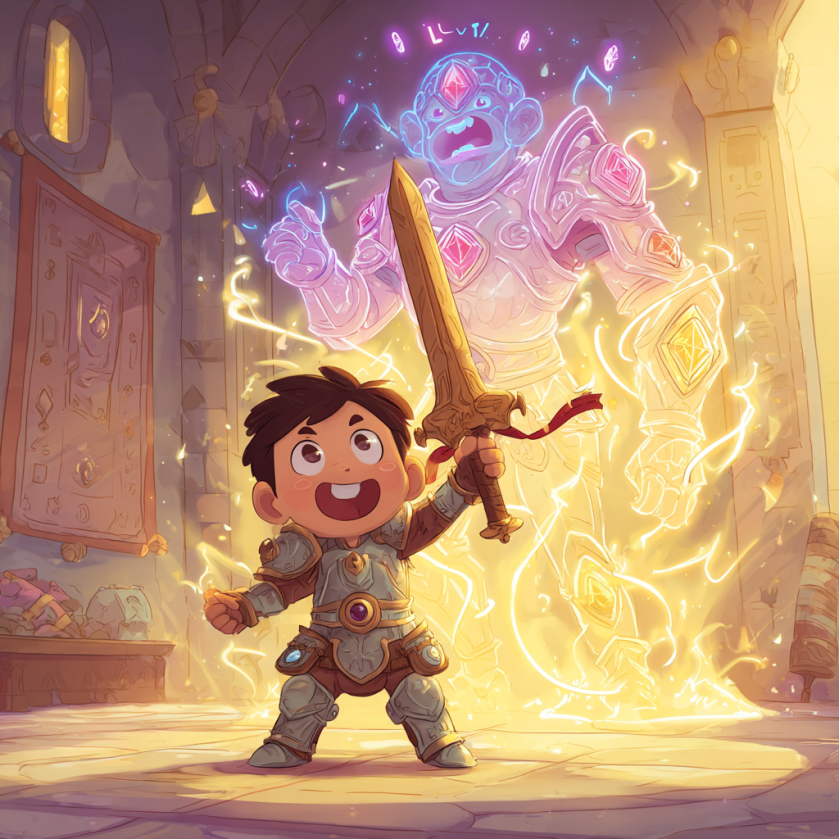
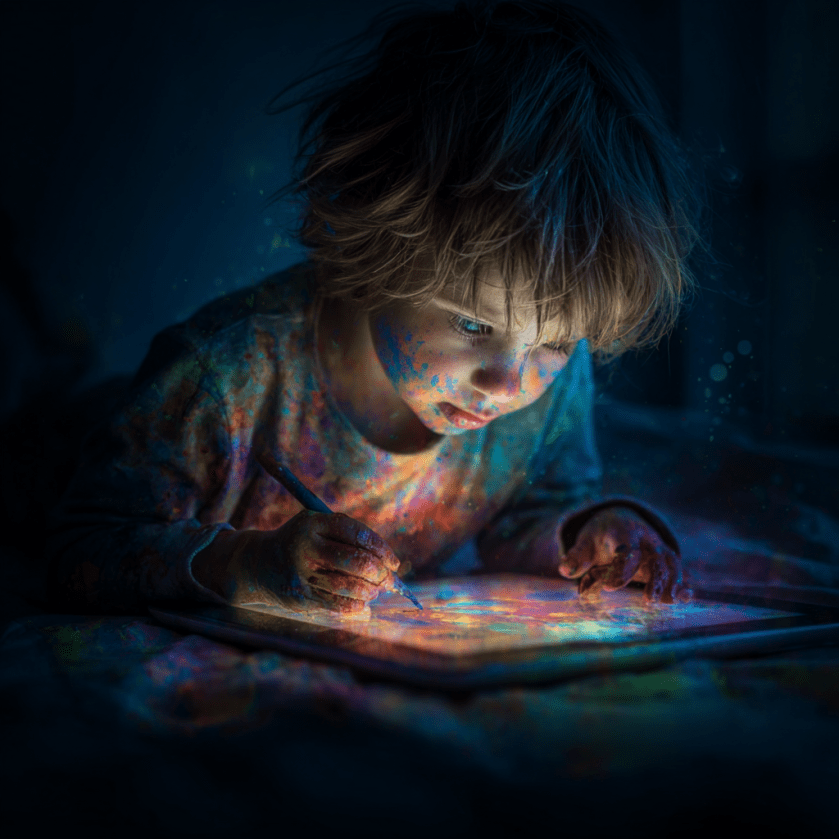
I’ve been experimenting with Midjourney, an AI tool that transforms text prompts into visual art. The results can be astonishing, eerie, funny, sometimes breathtaking. But what fascinates me most isn’t the images themselves. It’s the thought that my grandchildren will grow up seeing this kind of creativity not as extraordinary, but as ordinary. For them, it won’t be a revolution, it’ll just be Tuesday afternoon.


 The AI Grandad