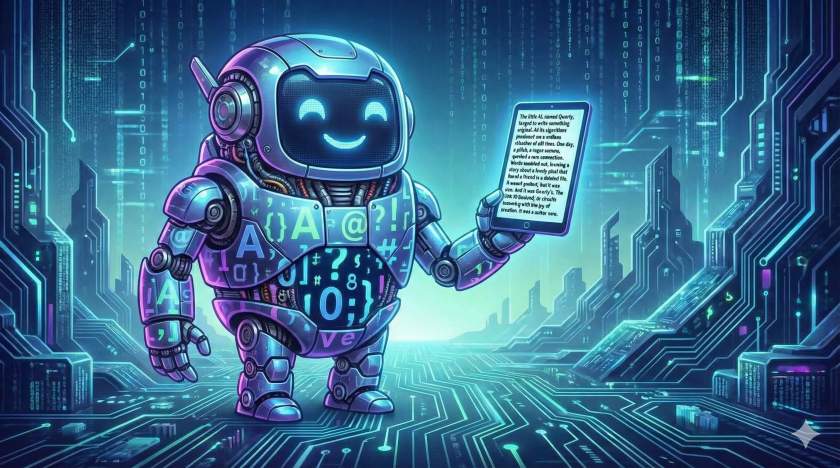
An experiment in AI rewriting, reflection, and creative growth.
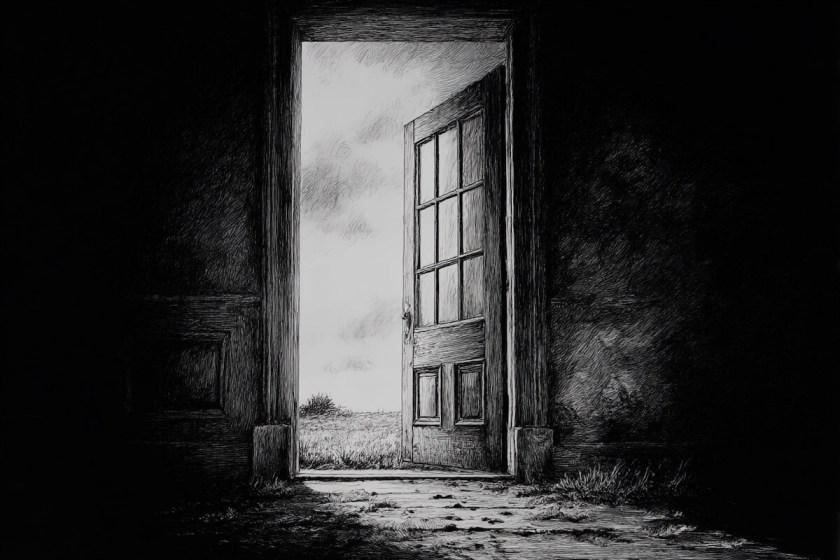
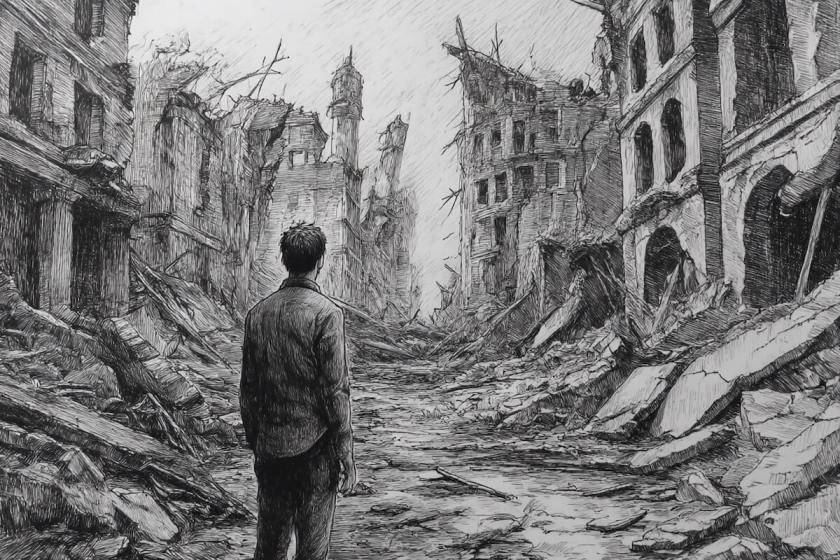
This week’s AI Drabble Challenge began with a simple idea: combine two images and ask an AI to tell a story. I’ve used images before as creative sparks, but this time I wanted to see what would happen if I merged two, not just visually, but emotionally.
The result was a story that didn’t just emerge from AI; it evolved through it. What started as a neat 100-word piece became something richer, deeper, and strangely more human.
Welcome back to the AI Drabble Challenge, a weekly experiment in human and AI creativity. Each Wednesday, I set a prompt to inspire a Drabble, a story told in exactly 100 words.
You can use any AI model you like (ChatGPT, Claude, Gemini, or others), or several at once. How you collaborate is up to you. Maybe the AI drafts the first version, or writes the whole thing, maybe you co-write, or maybe you use it to spark ideas. What matters is the process, and sharing it.
This Week’s Prompt
This week’s prompt is two unrelated images.
Image 1:
Image 2:
Use either or both images to create your Drabble. Remember: exactly 100 words, no more, no less.
How to Take Part
Write your 100-word Drabble with help from an AI tool (or two).
Post your story in the comments, or publish it on your own website and include a pingback to this post.
If you can, share which AI model(s) you used and the prompt that started your process, we can all learn from each other.
Community & Highlights
Each week, I’ll read through the entries, share a few favourites, and highlight one that particularly stood out, for originality, style, or the inventive way it used AI.
This isn’t about competition; it’s about curiosity, experimentation, and celebrating how humans and machines can create together.
A Closing Thought
AI gives us the tools, but we give it meaning. Let’s see what stories emerge this week, 100 words at a time.
Your Turn!
Now it’s over to you, can you craft your own 100-word Drabble inspired by this week’s prompt.
Post your story in the comments below or link to your own blog, I love seeing the imaginative twists readers come up with. So don’t be shy, join in and show us what your AI + Your Imagination can do!
For this week’s AI Drabble Challenge, I decided to test how three very different AI systems, ChatGPT, Claude, and Grok, would each handle the same creative task.
The Challenge
Take a Shakespearean insult, “The tartness of his face sours ripe grapes” , and an accompanying image, (the one above) and turn them into a 100-word sinister monologue. The prompt I gave them was simple:
“I want you to use this quote ‘The tartness of his face sours ripe grapes’ and this image to write a 100-word sinister monologue. Include the quote in the story.”
Welcome back to the AI Drabble Challenge, a weekly experiment in human and AI creativity. Each Wednesday, I set a prompt to inspire a Drabble, a story told in exactly 100 words.
You can use any AI model you like (ChatGPT, Claude, Gemini, or others), or several at once. How you collaborate is up to you. Maybe the AI drafts the first version, or writes the whole thing, maybe you co-write, or maybe you use it to spark ideas. What matters is the process, and sharing it.
This Week’s Prompt
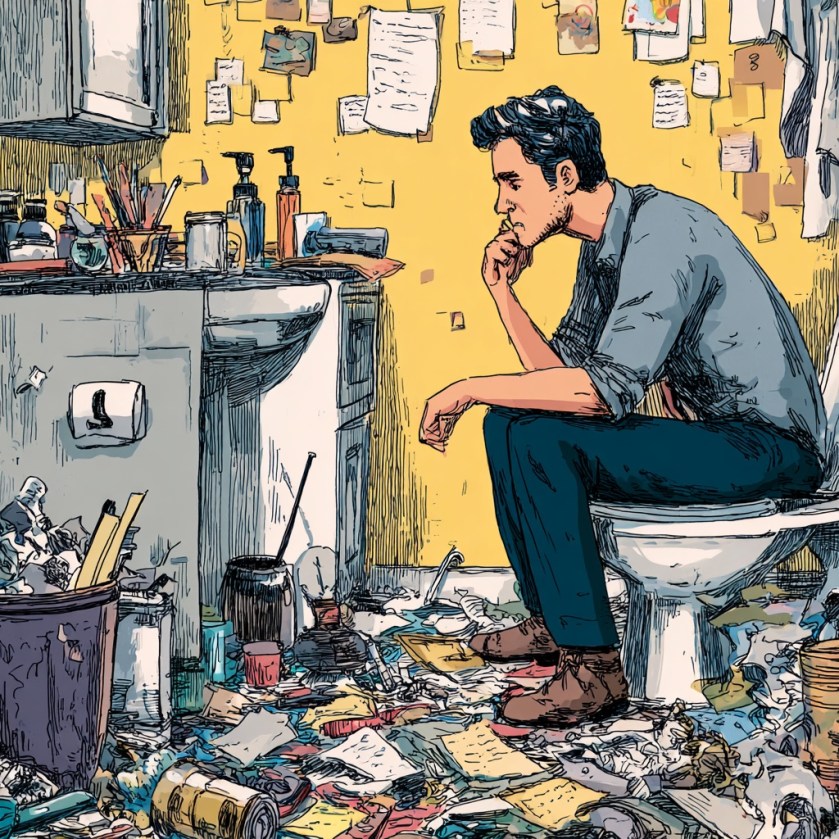
Image Prompt:
Word prompt: This week we have a phrase. Something quite different to hopefully make AI really ‘think’. William Shakespeare was famous for his insults. So, the words prompt this week is a insult from from Shakespeare’s play Coriolanus – “The tartness of his face sours ripe grapes.”
Use the image, the words, or both, and see where your imagination (and your chosen AI) takes you. Remember: exactly 100 words, no more, no less.
How to Take Part
Write your 100-word Drabble with help from an AI tool (or two).
Post your story in the comments, or publish it on your own website and include a pingback to this post.
If you can, share which AI model(s) you used and the prompt that started your process, we can all learn from each other.
Community & Highlights
Each week, I’ll read through the entries, share a few favourites, and highlight one that particularly stood out, for originality, style, or the inventive way it used AI.
This isn’t about competition; it’s about curiosity, experimentation, and celebrating how humans and machines can create together.
A Closing Thought
AI gives us the tools, but we give it meaning. Let’s see what stories emerge this week, 100 words at a time.
Welcome back to the AI Drabble Challenge, a weekly experiment in human and AI creativity. Each Wednesday, I set a prompt to inspire a Drabble, a story told in exactly 100 words.
You can use any AI model you like (ChatGPT, Claude, Gemini, or others), or several at once. How you collaborate is up to you. Maybe the AI drafts the first version, or writes the whole thing, maybe you co-write, or maybe you use it to spark ideas. What matters is the process, and sharing it.
This Week’s Prompt
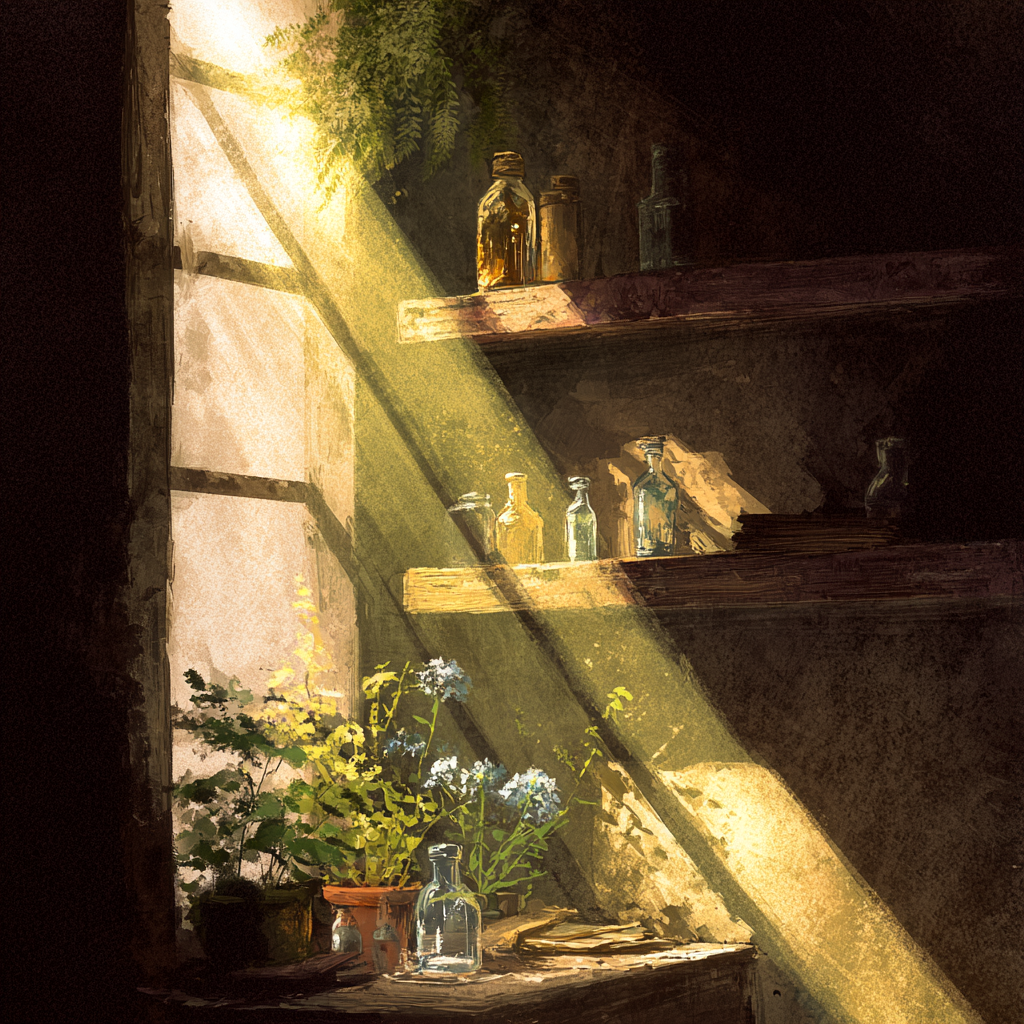
Image Prompt:
Word prompts: echo, ticket, waiting, rain, promise
Use the image, the words, or both, and see where your imagination (and your chosen AI) takes you. Remember: exactly 100 words, no more, no less.
How to Take Part
Write your 100-word Drabble with help from an AI tool (or two).
Post your story in the comments, or publish it on your own website and include a pingback to this post.
If you can, share which AI model(s) you used and the prompt that started your process, we can all learn from each other.
Community & Highlights
Each week, I’ll read through the entries, share a few favourites, and highlight one that particularly stood out, for originality, style, or the inventive way it used AI.
This isn’t about competition; it’s about curiosity, experimentation, and celebrating how humans and machines can create together.
A Closing Thought
AI gives us the tools, but we give it meaning. Let’s see what stories emerge this week, 100 words at a time.
About The Author
Mike is a retired headteacher, writer, and lifelong learner exploring how artificial intelligence is reshaping creativity, communication, and everyday life. Through The AI Grandad, he shares hands-on experiments, honest reflections, and a touch of humour about being 75 and still curious about the future.
When he’s not writing, Mike can usually be found testing new AI tools, reading crime fiction, or tucked away in a local coffee shop writing in his journal.