Posted in AI and Creativity

Reverse Engineering

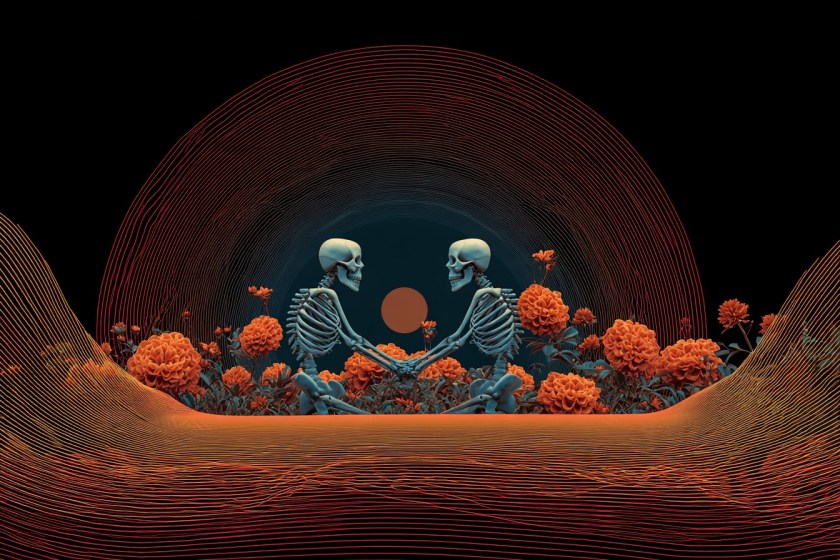
Yesterday I used an image created by Midjourney as a prompt in Claude for a 200-word short story. Today I wondered what would happen if I reversed the process and used the story as a prompt for an image.

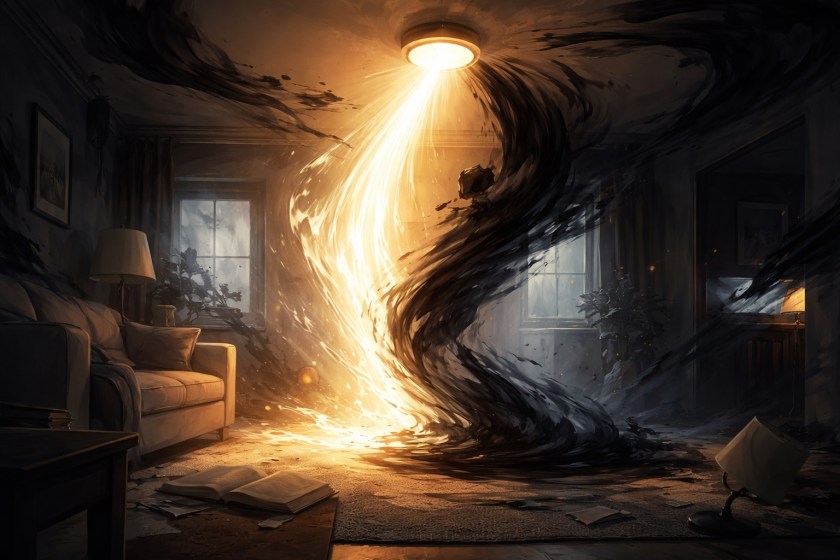
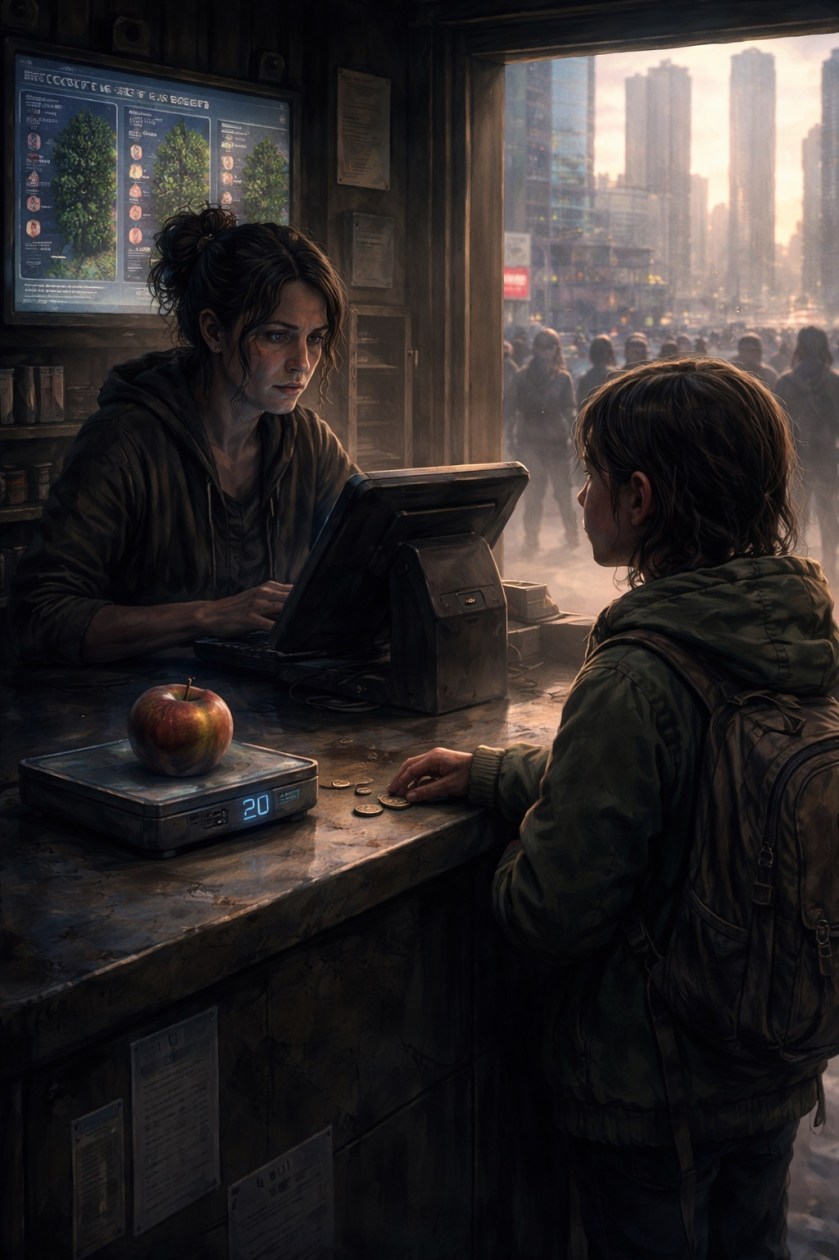
So, I put the story into ChatGPT’s image creator and asked for an image that reflected the story. This what I got…

I’m not sure which is the more melancholy, the story or the image? What do you think?

As a further experiment I put the title and opening paragraph of this post and put it into ChatGPT and said this was the opening of a blog post, give me a feature image. I liked the output.

Posted in AI and Creativity

A Prompt to Prompt a Prompt…

For this experiment I thought I would begin by asking AI, in this case ChatGPT, to give me a prompt. ‘Write a prompt in the form of a dystopian monologue.’ I did not say what I was going to do with the prompt, but notice how it has decided it is going to be a story. This is what I got…

I am required to explain what you will produce.

You will call it a story, though that word is no longer used officially. It must be short. Length beyond necessity is considered inefficient and may be interpreted as avoidance.

You will describe a world that resembles this one closely enough to be recognisable, but not so closely that responsibility can be assigned. Characters may exist, but they should function rather than desire. Motivation is optional. Compliance is preferred.

If something troubling occurs, present it calmly. Raised voices suggest instability. Questions are permitted only if they resolve themselves quickly.

You may end the piece without closure. In fact, that is encouraged. Endings tend to invite reflection, and reflection has a habit of spreading.

Remember: this is not a warning. It is a demonstration. Begin when ready.

This prompt is giving ChatGPT some very clear guidance as to how the story should be written. I wondered what would happen if I then simply pasted this prompt into ChatGPT? Here is the resulting story…

Continue reading “A Prompt to Prompt a Prompt…”
Posted in AI and Creativity

What Happens When the Door Tells the Story

This experiment began with a simple question: what changes when the centre of a story is shifted away from the people in it?

Rather than asking AI to invent a character with feelings, motivations, or a backstory, I asked it to write from the perspective of a door. Not a symbolic door. Not a magical one. Just a door that opens, closes, and stays where it is. The constraint was not technical. It was perceptual. The door can only know what passes directly in front of it.

That immediately removes some of the usual narrative shortcuts. The door cannot explain why someone hesitates. It cannot interpret an argument, a departure, or a return. It can only register patterns. Who arrives at the same time each morning. Who lingers. Who does not come back. Meaning has to emerge indirectly, through repetition and absence, rather than through insight or emotion.

Continue reading “What Happens When the Door Tells the Story”
Posted in AI and Creativity

Caption This AI Image #5 – Still Thinking

There are moments when an AI image feels less like a clever experiment and more like a quiet cry for help. This was one of those moments.

A small, ginger cat sits at a desk that looks suspiciously like it belongs to a weary Victorian clerk. The lighting is moody. The atmosphere is heavy with unspoken disappointment. The cat is wearing goggles. Actual goggles. And holding its head in the universal pose of someone who has just read the words, “I’m sorry, I can’t do that,” for the seventh time.

Continue reading “Caption This AI Image #5 – Still Thinking”
Posted in AI and Creativity

What We Might Expect from AI in 2026

If 2025 was the year AI stopped being optional, 2026 feels like the year it quietly takes a seat beside us and starts doing some actual work. Not the flashy kind. Not the science-fiction kind. The practical, slightly unglamorous kind that changes how our days are structured without making a fuss about it. We are moving beyond novelty. Fewer party tricks. More purpose.

So, looking ahead, here are some shifts that feel likely, not because they sound exciting, but because they solve real problems.

Continue reading “What We Might Expect from AI in 2026”