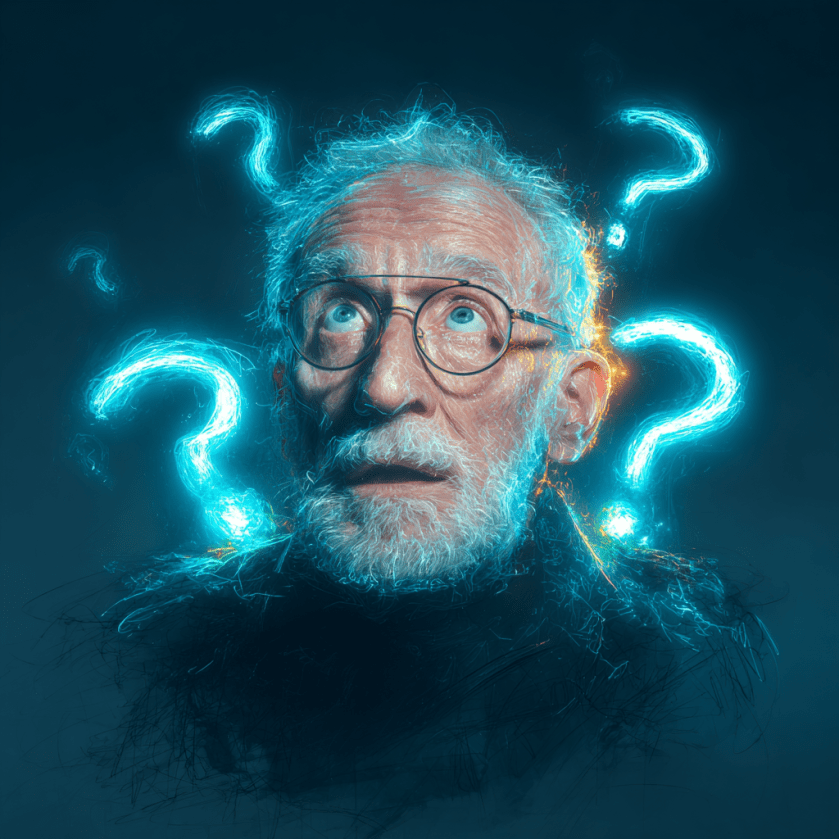
People say curiosity killed the cat, but I think it made the cat smarter.
Every time I open a new AI tool, I’m reminded that curiosity isn’t something we grow out of, it’s something we grow back into. It keeps us young, alert, and adaptable in a world that refuses to stand still. The moment we stop asking questions is the moment we stop learning. Curiosity isn’t about knowing everything; it’s about wanting to understand, to try and make sense of.
When I first started playing with AI, I didn’t have a grand plan. I just wanted to see what it could do. One question became ten, ten became a hundred, and before I knew it, I’d fallen down the most fascinating rabbit hole of my life.
AI Rewards the Curious
Here’s something I’ve noticed: AI doesn’t reward the clever, it rewards the curious. You don’t need to understand every algorithm or know how a neural network works. What matters is the willingness to ask, “What if?”
When I first typed a question into ChatGPT, I wasn’t trying to impress anyone, I was trying to make sense of it. I wanted to try and find out what it was that made this so different to anything I had encountered before. I think my first question to ChatGPT was something like, “Can you write a bedtime story about a grumpy robot?” Seconds later, I was grinning like a child as the story appeared. It wasn’t perfect, but it was a spark.
That’s when I realised AI isn’t a test of knowledge, it’s a conversation partner for anyone brave enough to explore. At that moment I understood what the ‘Chat’ in ChatGPT was all about. The more curious your questions, the better your results. It’s not about getting everything right; it’s about being adventurous enough to try.
Curiosity Is the Real Fountain of Youth
We often talk about technology as if it’s something only the young can handle. But every time I experiment with a new app or AI tool, I feel that same spark I had when I first used a computer in my classroom years ago. The blinking cursor back then felt like an invitation, and AI feels exactly the same now. Curiosity doesn’t fade with age, it just needs a reboot.
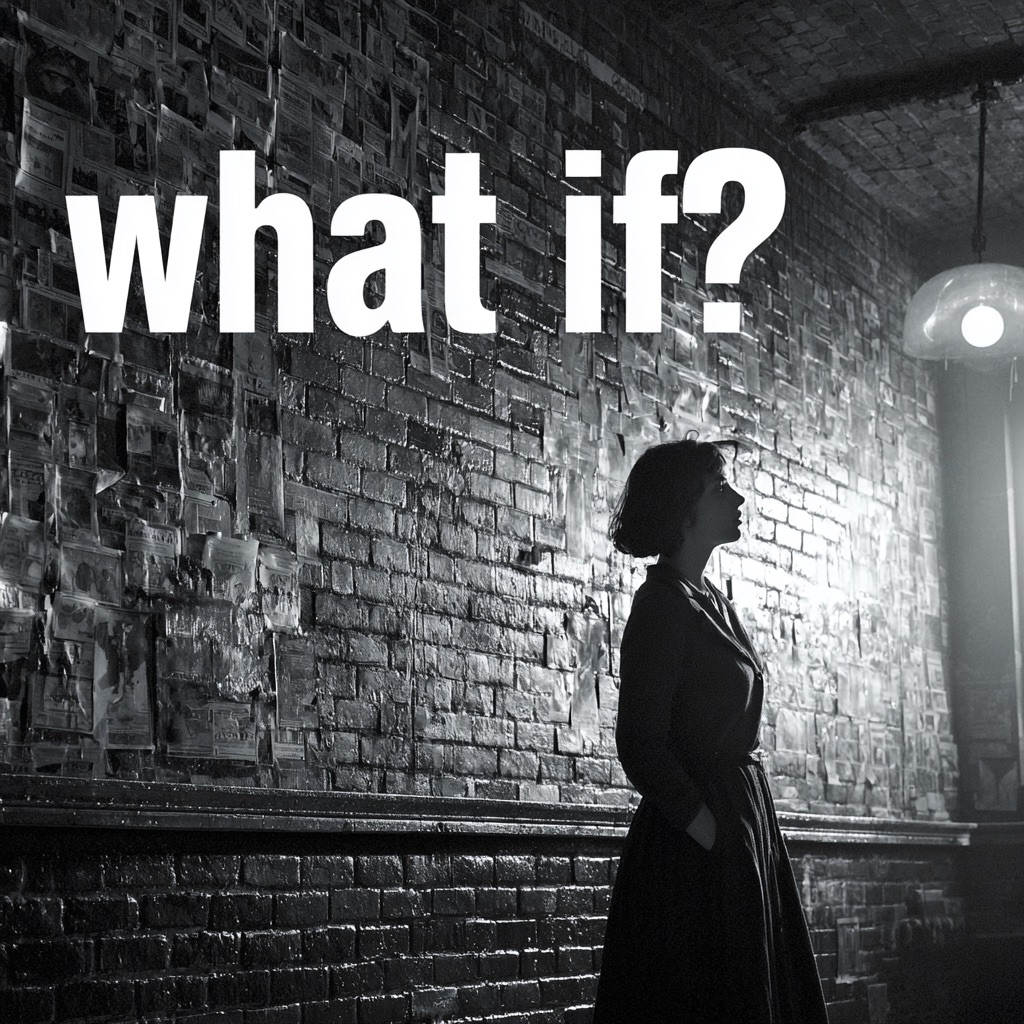
As I was writing this post I thought I would experiment with Midjourney, my favourite image generator. I simply typed in “What if”, a phrase I have used several times in this post. Midjourney interpreted this simple question in a number of ways that I found quite fascinating. I’ve include just two of my favourite responses below. It reminded me that the joy of discovery never really leaves us; we just need to give it permission to return.

You don’t have to be an expert; you just have to wonder. When something confuses you, don’t close the tab. Ask one more question. Try one more prompt. The more you play, the more you learn, and the younger your mind feels for it.
From Confusion to Confidence
Many older adults I speak to say things like, “I’m too old for this tech stuff.” I get it, I said the same thing once. But the truth is, AI is designed for explorers, not experts. The tools are learning with us, not against us.
Think of it like cooking: you don’t need to understand the chemistry behind baking to enjoy making a cake. You just follow your curiosity, experiment with ingredients, and see what happens. That’s how I learned to use ChatGPT, by asking small, silly questions first and seeing where they led.
If you can search the web, send a message, or take a photo, you already have what it takes to explore AI. Start with something simple: ask it to summarise a news article, plan a trip, or write a joke in the style of Shakespeare. Maybe use it to join in our weekly AI Drabble Challenge and write a 100-word story. Before long, confusion turns to confidence, and confidence turns to creativity.
Why Curiosity Matters More Than Ever
In a world that’s changing faster than ever, curiosity has become the ultimate life skill, the quiet superpower that helps us adapt. It’s what drives innovation, creativity, and connection. Without curiosity, we risk becoming spectators in a world that’s constantly rewriting itself.
When I read about new AI breakthroughs, or listen to my favourite AI podcasts, I don’t panic; I get curious. What can this tool help me understand? How might it make life easier for my grandchildren, or teachers, or writers like me? Each “What if?” is a key that opens a door to the future.
So whether you’re experimenting with ChatGPT, generating images, or just wondering how all this fits into your world, stay curious. The questions you ask today shape the skills you’ll have tomorrow. And the good news? It’s never too late to start asking.
A Closing Thought
Curiosity isn’t just for the young, it’s for the brave. Keep asking “What if?” and the future will always have room for you.
About The AI Grandad
Find out more about The AI Grandad on:
YouTube – The AI Grandad
X – The AI Grandad
Facebook – Mike Jackson – The AI Grandad
What do you think AI creativity tells us about ourselves?
Share your thoughts in the comments, I love hearing from curious minds!
Discover more from The AI Grandad
Subscribe to get the latest posts sent to your email.

 The AI Grandad
A great post. I love the idea at the end of the post – “Curiosity isn’t just for the young, it’s for the brave.” This is so true.
LikeLike