An experiment in AI rewriting, reflection, and creative growth.
This week’s AI Drabble Challenge began with a simple idea: combine two images and ask an AI to tell a story. I’ve used images before as creative sparks, but this time I wanted to see what would happen if I merged two, not just visually, but emotionally.
The result was a story that didn’t just emerge from AI; it evolved through it. What started as a neat 100-word piece became something richer, deeper, and strangely more human.
Welcome back to the AI Drabble Challenge, a weekly experiment in human and AI creativity. Each Wednesday, I set a prompt to inspire a Drabble, a story told in exactly 100 words.
You can use any AI model you like (ChatGPT, Claude, Gemini, or others), or several at once. How you collaborate is up to you. Maybe the AI drafts the first version, or writes the whole thing, maybe you co-write, or maybe you use it to spark ideas. What matters is the process, and sharing it.
This Week’s Prompt
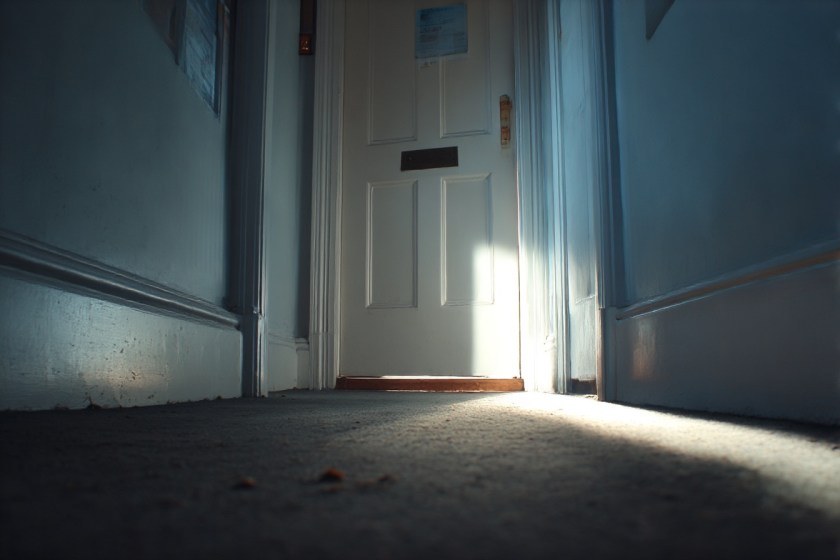
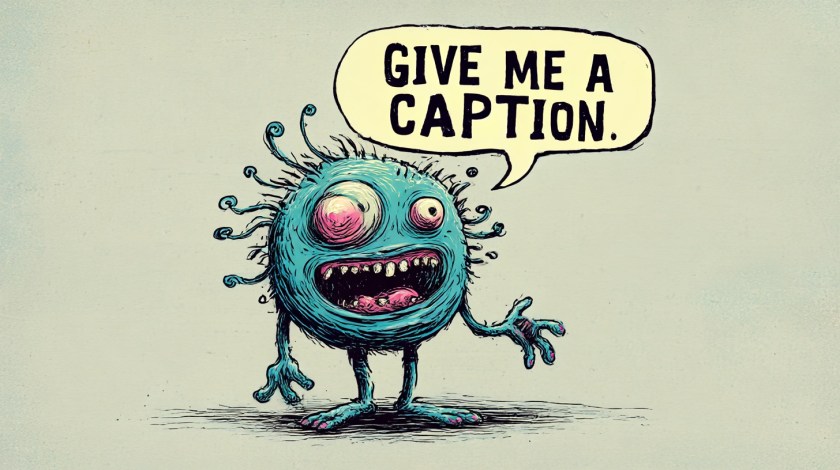
This week’s prompt is two unrelated images.
Image 1:
Image 2:
Use either or both images to create your Drabble. Remember: exactly 100 words, no more, no less.
How to Take Part
Write your 100-word Drabble with help from an AI tool (or two).
Post your story in the comments, or publish it on your own website and include a pingback to this post.
If you can, share which AI model(s) you used and the prompt that started your process, we can all learn from each other.
Community & Highlights
Each week, I’ll read through the entries, share a few favourites, and highlight one that particularly stood out, for originality, style, or the inventive way it used AI.
This isn’t about competition; it’s about curiosity, experimentation, and celebrating how humans and machines can create together.
A Closing Thought
AI gives us the tools, but we give it meaning. Let’s see what stories emerge this week, 100 words at a time.
Your Turn!
Now it’s over to you, can you craft your own 100-word Drabble inspired by this week’s prompt.
Post your story in the comments below or link to your own blog, I love seeing the imaginative twists readers come up with. So don’t be shy, join in and show us what your AI + Your Imagination can do!
Every time I post something involving AI, I know what’s coming. A few writers(often my writer friends) will tell me, quite firmly, that they’ll never touch AI “with a barge pole.” Others worry that using it might dull the human brain, or that writing with its help feels like cheating, like handing in someone else’s homework. Some say it produces “soulless” words, and that real writing should only ever come from real people.
And honestly, I understand every one of those feelings. Writing is deeply personal. It’s how we make sense of the world, and of ourselves. When we sit down to write, it’s our emotions, memories and imagination that shape the story. So when a machine suddenly enters that creative space, it can feel like an intruder, a cold, logical guest who doesn’t understand what it means to struggle for the right word or to feel that spark of inspiration.
The light, chatty truth behind what AI can, and can’t, really do.
There’s a lot of chatter out there about artificial intelligence and creativity. Depending on who you ask, AI is either a genius, a fraud, or a polite little assistant who can’t draw hands.
So today I thought I’d tackle a few of the biggest myths about AI and creativity, the ones that seem to cause the most panic and the loudest pub arguments. Don’t worry, this isn’t a lecture. Think of it as a chat over a cuppa about what really happens when humans and algorithms start co-creating.
What happens when AI writes a story about love, loss, and waiting? In this post, I explore a quieter, more human side of AI creativity through a story called The Waiting Room.
Why This Story Matters
Most of the AI stories I’ve shared so far have been short, 100-word Drabbles with a twist or a spark of dark humour. This week, I wanted to slow down. I asked AI to write something longer, something that felt real rather than clever.
The result surprised me. The Waiting Room isn’t about robots, algorithms, or technology. It’s about people, and the fragile moments that bind us together when life tilts sideways.