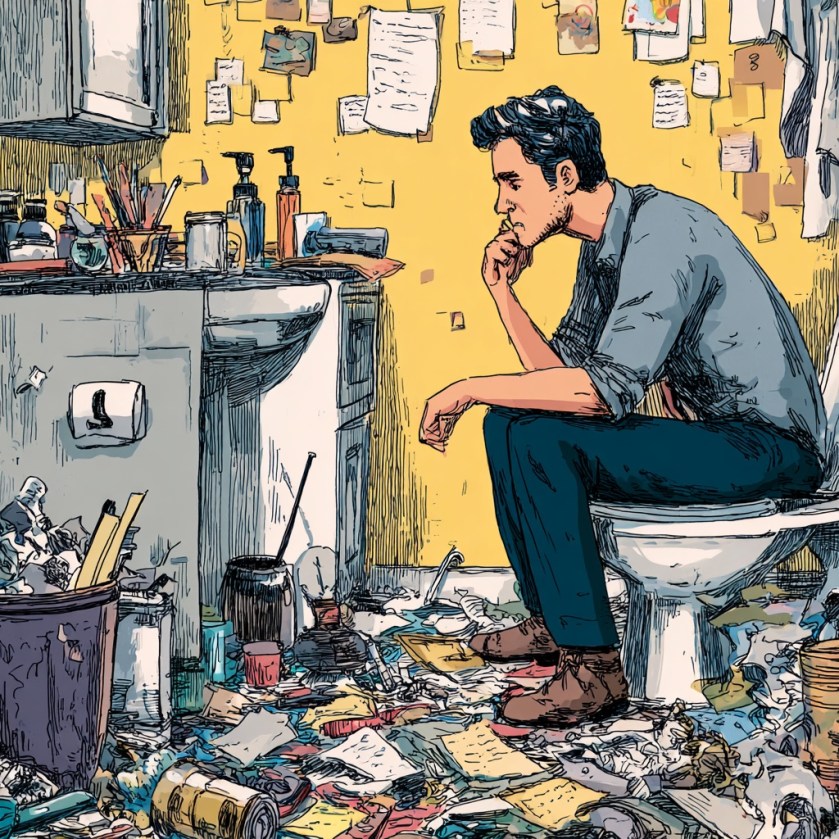
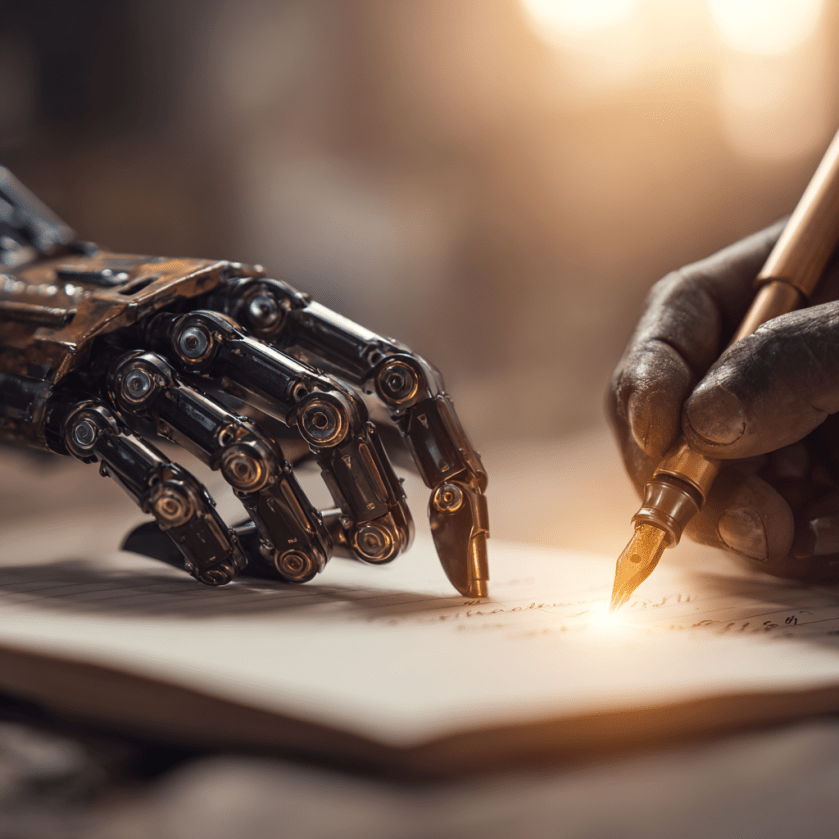
I quite often put an idea for a short story into one of my favourite chatbots just to see what it gives back to me. Every now and then I will post one on the blog for no other reason than it appealed to me. Hopefully these stories will resonate with you as well.
Continue reading “The Puddle I’m Sitting In”Tag: Claude
When AI Slows Down: A Human Moment in The Waiting Room
What happens when AI writes a story about love, loss, and waiting? In this post, I explore a quieter, more human side of AI creativity through a story called The Waiting Room.
Why This Story Matters
Most of the AI stories I’ve shared so far have been short, 100-word Drabbles with a twist or a spark of dark humour. This week, I wanted to slow down. I asked AI to write something longer, something that felt real rather than clever.
The result surprised me. The Waiting Room isn’t about robots, algorithms, or technology. It’s about people, and the fragile moments that bind us together when life tilts sideways.
Continue reading “When AI Slows Down: A Human Moment in The Waiting Room”The AI Drabble Challenge: When Three AIs Meet Shakespeare
For this week’s AI Drabble Challenge, I decided to test how three very different AI systems, ChatGPT, Claude, and Grok, would each handle the same creative task.
The Challenge
Take a Shakespearean insult, “The tartness of his face sours ripe grapes” , and an accompanying image, (the one above) and turn them into a 100-word sinister monologue.
The prompt I gave them was simple:
“I want you to use this quote ‘The tartness of his face sours ripe grapes’ and this image to write a 100-word sinister monologue. Include the quote in the story.”
Continue reading “The AI Drabble Challenge: When Three AIs Meet Shakespeare”Can a Machine Write Better Fiction Than Me? Exploring AI and Creativity
For many years, I’ve loved writing flash fiction. One of my favourite forms is the Drabble, a story told in exactly 100 words. The form originated in the 1980s at the Birmingham University SF Society, who adapted a word game from Monty Python’s Big Red Book (1971). That version joked that “Drabble” was a game where the first person to write a novel won. The society found a novel a little ambitious, so they fixed the length to a manageable 100 words, and that rule defines the modern Drabble.
The more I experimented with AI, the more I suspected it could now write a better Drabble than I could, though it still needed my guidance. Let me show you what happened.
Continue reading “Can a Machine Write Better Fiction Than Me? Exploring AI and Creativity”