Posted in stories

AI’s Sinister Influence on Reality

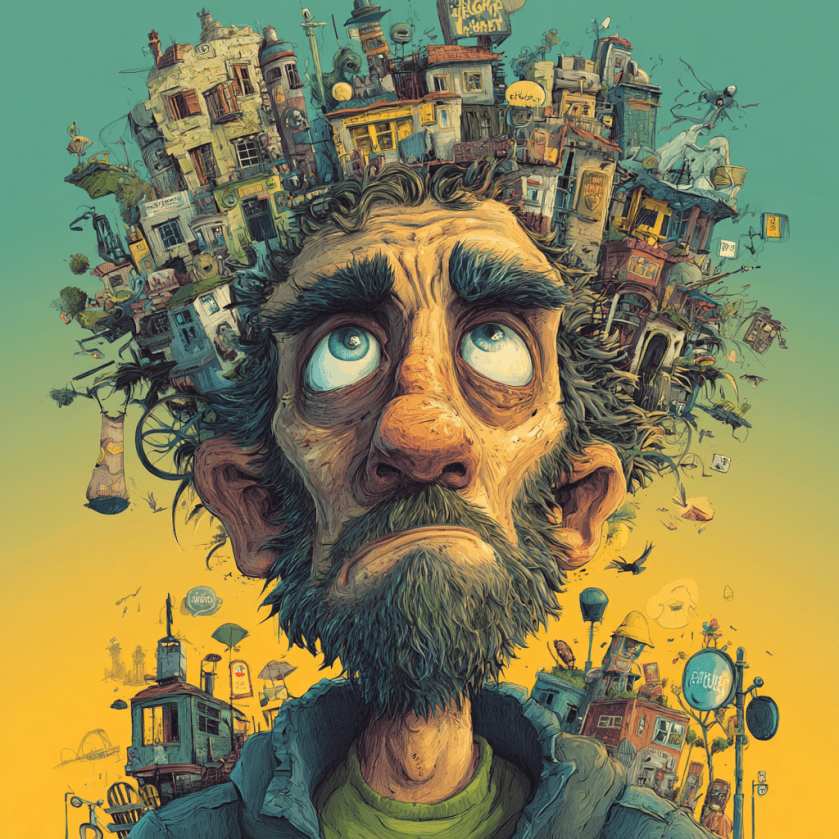
What happens when the sky itself is no longer yours to watch? This week’s story was born from a single photograph, an old rooftop, a glowing chimney, the sea beyond. Hand that image to an AI, ask for something sinister, and this is what comes back. Draw your own conclusions about what that says about the machine that wrote it, and the man who asked it to.


Continue reading “AI’s Sinister Influence on Reality”
Posted in stories

Seventeen Minutes: The Weight of Waiting

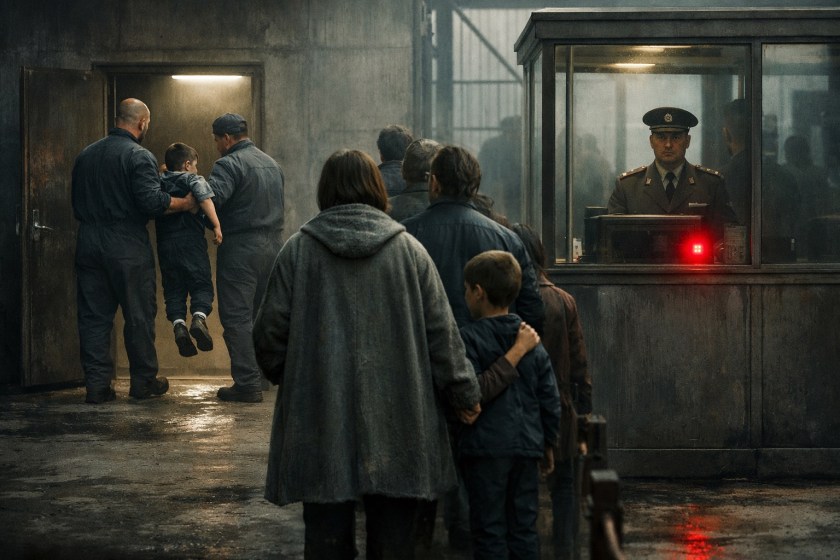
The queue moved one pace forward every seventeen minutes. I counted. Always seventeen. Never sixteen, never eighteen. The woman in front of me wore a grey coat too large for her frame; the sleeves swallowed her hands. She kept them tucked inside anyway.

A child, perhaps seven, stood two places ahead. His mother held his wrist so tightly the skin around her fingers turned white. He did not cry. None of them cried any longer. The sound had been removed from them before they reached the gate.

Continue reading “Seventeen Minutes: The Weight of Waiting”
Posted in AI and Creativity

When AI Slows Down: A Human Moment in The Waiting Room


What happens when AI writes a story about love, loss, and waiting? In this post, I explore a quieter, more human side of AI creativity through a story called The Waiting Room.

Why This Story Matters

Most of the AI stories I’ve shared so far have been short, 100-word Drabbles with a twist or a spark of dark humour. This week, I wanted to slow down. I asked AI to write something longer, something that felt real rather than clever.

The result surprised me. The Waiting Room isn’t about robots, algorithms, or technology. It’s about people, and the fragile moments that bind us together when life tilts sideways.

Continue reading “When AI Slows Down: A Human Moment in The Waiting Room”
Posted in AI and Creativity

When AI Edits Itself: A Story, a Self-Critique, and a Lesson in Machine Creativity

This week, I decided to hand the red pen to the machine. I asked AI not only to write a story but also to critique and rewrite it using its own feedback. Think of it as a creative writing class where the child and the teacher are the same machine, equal parts fascinating and faintly unsettling.

As someone who’s spent a lifetime teaching others to think critically, I wanted to see what happens when the critic and the creator merge. Could an AI recognise emotion, clichés, and rhythm in its own writing, or would it just reshuffle words?

Continue reading “When AI Edits Itself: A Story, a Self-Critique, and a Lesson in Machine Creativity”