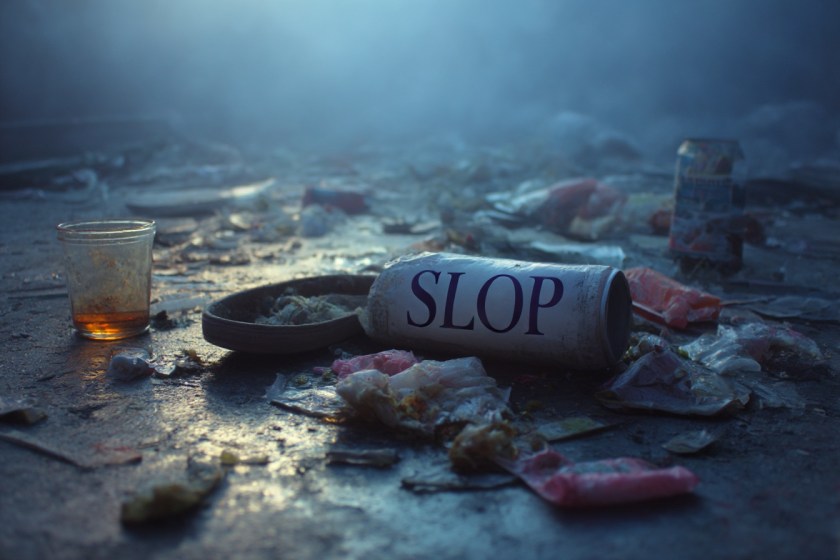
I keep hearing the phrase “AI slop” tossed around with the sort of relish usually reserved for complaining about school dinners or the state of modern television. It’s become one of those instant dismissals, a way to wrinkle one’s nose and wave away anything that happens to have an algorithm involved.
But is it really fair? Is everything touched by AI automatically destined for the creative compost heap? Personally, I don’t buy it, and the more I talk to people about it, the more it feels like the term tells us far more about the speaker than the work itself.
Where the Term “AI Slop” Actually Came From
Originally, the phrase had a very narrow meaning. It referred to the flood of low-effort, unedited content churned out in the early days of generative tools, the sort of thing clearly made by someone who had discovered the “Generate” button and decided it was a shortcut to fame, fortune, and possibly a cookbook deal.
You’ll recognise the examples: hastily assembled Kindle books with absurd titles, websites filled with eerily repetitive articles, and those images where the cat has somehow grown more legs than sense. These were pieces published not because someone cared about them, but because they existed. That’s the “slop” part, not the involvement of AI, but the abandonment of any kind of creative responsibility.
The important thing, though, is that the term was never meant to describe AI itself. It described a human behaviour: the decision to put something online without thought, curiosity, craft, or even a quick second look.
How the Term Got Hijacked
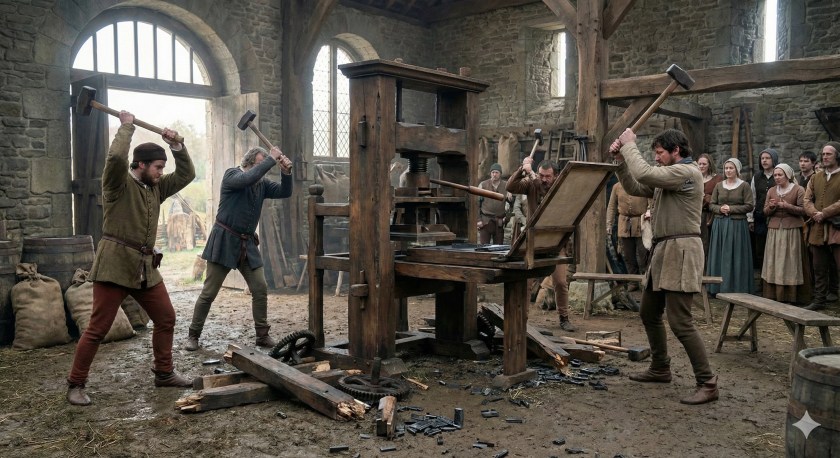
But as often happens, a simple idea snowballed. People who already felt uneasy about AI, or who were determined to dislike it on principle, began using “AI slop” as an all-purpose insult. The definition stretched, twisted, and eventually snapped. Suddenly, even thoughtful, well-crafted, deeply intentional work was being dismissed with the same label simply because AI played a part in its creation.
And that’s when the term stopped being descriptive and became ideological. It wasn’t about quality anymore; it was about staking a position. Some people felt threatened. Others felt overwhelmed. A few simply didn’t want to rethink their long-held ideas about what “counts” as creativity. So “AI slop” became a convenient shorthand: no need to engage, no need to read, no need to challenge a firmly held opinion.
It’s a very human thing, really. When a new tool arrives, especially one that sparks uncomfortable questions, the easiest reaction is to diminish it.
The Real Issue Isn’t AI, It’s Intention
If we’re being honest, human beings have been perfectly capable of producing terrible writing, dreadful art, and questionable creative choices long before AI wandered into the room. The idea that sloppiness is a uniquely AI-generated phenomenon is faintly amusing. The tool doesn’t decide the standard. The person using it does.
One creator will treat AI as a magic vending machine. They’ll press a button, take whatever drops out, and slap it straight onto Amazon or X or wherever they fancy. And yes, that output is likely to be slop, because it was never shaped, questioned, polished, or even properly read.
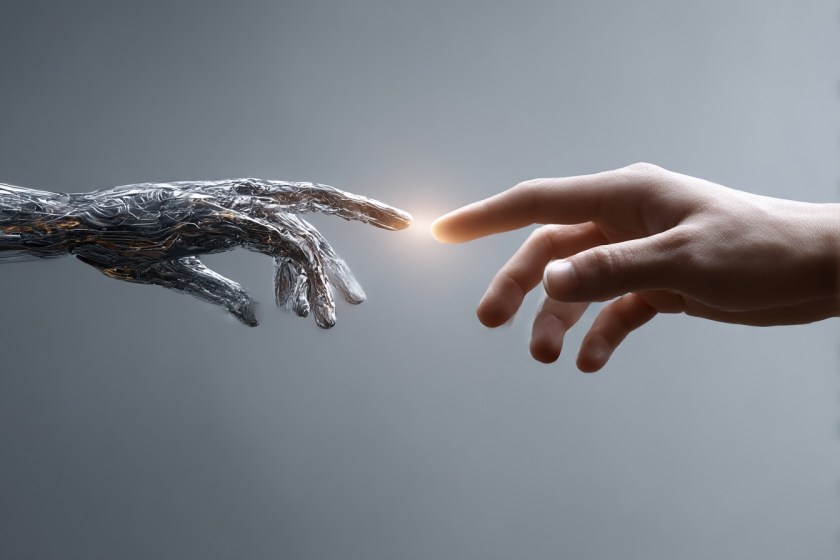
Another creator, however, will treat AI as a collaborator. They’ll push it, sculpt it, challenge it, discard half of what it suggests, refine the rest, and bring their own voice, experience, and instinct to the process. That’s where the magic lies. That’s where stories come alive and images feel intentional. That’s where the human and the machine meet and create something that neither could have produced alone.
And that’s the crucial difference. Not the presence of AI, but the presence of care.
Why Thoughtful AI Creativity Deserves Better Than “Slop”
When someone works with AI in a deliberate way, the same way a painter works with brushes or a musician works with scales, the output can be rich, surprising, emotionally resonant, and genuinely original. I’ve seen people use AI to explore narrative structures they’d never have attempted alone; to experiment with forms like drabbles, flashes, dialogues, haibun, or monologues; to test new voices; to push the boundaries of genre; or simply to rediscover their creative spark.
This isn’t slop. It’s process. It’s discovery. It’s evolution in real time. And, perhaps most importantly, it’s deeply human, because the best AI-assisted work is always shaped by the questions we ask, the edits we make, the risks we take, and the curiosity that drives us to try something new.
If anything, AI is revealing just how much creativity is about intention. When used thoughtfully, it doesn’t replace the human touch. It amplifies it.
A Quiet Truth Hidden Behind the Insult
Whenever someone dismisses all AI-assisted creativity as slop, what they often mean is something else entirely. They may be anxious about the pace of change. They may feel their skills are being challenged. They may believe that “real” creativity has fixed rules, and AI has broken them. Or they might simply be repeating a phrase they’ve seen online without ever stopping to examine it.
It’s worth remembering that many of the loudest critics haven’t actually seen much good AI-assisted work. And when they do, they often assume it must be human-made, because it’s easier than adjusting their worldview.
How I See It
For me, “AI slop” isn’t a genre or even an aesthetic. It’s a workflow, nothing more. If the human disengages, the work suffers. If the human leans in, with curiosity, playfulness, and a willingness to push beyond the obvious, the work can shine.
It’s no different from any other tool. A camera can take a breathtaking photograph or a blurred mess. A pen can produce a masterpiece or a shopping list. A chisel can carve a sculpture or accidentally remove a thumb. The tool never decides the outcome. The person holding it does.
And in the hands of thoughtful creators, people like us, who treat AI as a partner rather than a vending machine, the results can be genuinely exciting.
Final Thought
So, no, not everything made with AI is slop. Far from it. In fact, I’d argue that we’re only just beginning to discover what happens when human imagination and machine capability meet in the middle. It’s messy, yes. It’s controversial, certainly. But it’s also one of the most interesting creative revolutions of our lifetime.
And if a few people want to shout “slop!” from the sidelines, well… let them shout. The rest of us are busy making things.
What about you? Have you come across work that surprised you — something made with AI that was far better than you expected? I’d love to hear your thoughts.
About The AI Grandad
Find out more about The AI Grandad on:
YouTube – The AI Grandad
X – The AI Grandad
Facebook – Mike Jackson – The AI Grandad
What do you think AI creativity tells us about ourselves?
Share your thoughts in the comments, I love hearing from curious minds!
Discover more from The AI Grandad
Subscribe to get the latest posts sent to your email.

 The AI Grandad
I do like the idea of intention.
LikeLike